Fictional Geographies and Imagined Architecture

As I mentioned in my last blog, my reward to myself for finishing the second draft of Novel 6 was reading some fiction by other people. This was my first opportunity to read Old God’s Time by Sebastian Barry. He is a writer I admire immensely and this novel was just amazing, a perfect example of how to combine exquisite writing with suspense and mystery. However, as much as I would recommend you to read it, that’s all I’m going to say about the novel in this blog. I might write a review of it at some point in the future, but for now, it has inspired me to write about geography.

One thing Barry does really well is use real locations in his novels. The actual highways and byways of Sligo, Dublin and Dalkey are so realistically portrayed that reading his novels is like walking around the streets for myself. It feels so real and clear that it must draw on personal experience, brought alive by the author’s love for those places. I have never been to Ireland, but I feel like I have been to these places.

I know this is something that other writers do, but it is not something I have ever tried to do for myself. The locations of my novels have all been completely fictional. When I first started writing, that even meant fictional countries and worlds for my fantasy novels. Inspired by Tolkien and C S Lewis, I drew elaborate maps of my worlds, with all the usual features you would expect in a fantasy world, complete with fanciful names. That’s the picture at the top – it goes with the very first novel I ever wrote, and this is the most anyone will ever see of it. Creating a map was just as much fun as writing the stories, and I do still love a good map at the start of a novel.

These days, my novels are contentedly confined to the world we know, and for the most part, England. But I still made-up the locations: Witherham, the home town of Dan and David, in an unspecified midlands region; The Priory, the holiday home of the Westwoods, in the fictional village of Priors Norton in Devon; The Levinson Estate in Wiltshire, a short carriage ride from Salisbury; a village in another unspecified midlands region, so small and insignificant that it is never named; and now, in my latest novel, the market town of Tadford, in yet again an unspecified midlands region. The good thing about making up my own towns and villages is that I can make them fit my needs. There’s no need to research real places, or worry that other people will question whether such a thing could happen within the restraints of a real location. However, it still requires a certain amount of logistics to be worked out; which roads go where, how big is a certain property and what are its neighbours, how long does a journey from A to B take? Sometimes, I need to know this in detail. Scenes that happen easily in my head need precise mapping before the character takes any steps on the page. That was the case for Witherham, the town I created for The Most Beloved Boy. David’s home is at one side of the village, Dan’s at the other, and Dan spends quite a bit of time walking between the two locations. In this case, an actual map was the easiest way to plan the routes those footsteps needed to take. It was never intended for publication, but I thought it might be nice to share it here, to show the working out behind the words.

Witherham, as imagined -and badly drawn – by me!

I did the same with the garden in After the Rain, and the village in The Hawthorn Bride.  It’s quite easy to do with small places. But for Novel 6, the town of Tadford is relatively larger. Plus, the part of the town where my characters live is a huge, sprawling council estate with labyrinth-like streets. Even if I could have started mapping that, there wouldn’t be any point as the place is supposed to feel ensnaring and disorientating. I left it as a mystery, hoping it would add to the sense of danger the place is meant to have.

And this brings me to the other element of world-building. To me, creating a town or a village or a house is like creating another character. Dan and David feel shaped by their upbringing in the town of Witherham and their return there is a momentous event for them. Therefore, it had to feel real to me, not just in street plans, but the personality of the place. Planning has helped with that; I have spent so many hours walking through the streets of Witherham with Dan that I feel as if I have been there and I know how it makes him feel. This is the case with all my made-up locations. And not just the towns and villages but also the houses where my characters live. Across all my novels, I took great care building the right homes for my characters; Dan’s oddly shaped cottage, David’s grand mansion house, John’s cottage on its journey from derelict to cosy. My characters know and cherish these places and it was important to me to be able to visualize what they were seeing, and feel the connections that they were feeling. These properties are just as important to the novels as the characters themselves and like the people I create, they have backstories and unique quirks. I wish I was a better artist, so I could draw these houses and see them beyond my mind’s eye. I just have to hope that I have done the same job with language.

Of all the places I have created, none is more central to the plot than the garden in After the Rain. About 85% of the action takes place within the boundary of the garden, which is fitting, considering that it is the garden that brings the characters together. In fact, it is falling in love with the garden that leads to Marianne discovering new passions and talents in herself that changes her forever. To her, it is not just a garden. She feels an attachment to it like she would to a person, possibly more than she has ever felt with a real person. In her mind, it alive and sentient; at times, she can almost imagine what it would say to her if it could talk. It is hard to say whether it belongs to her or if she belongs to it. And in creating this for Marianne, so it came to be for me also. I had to do enough research to make the horticultural descriptions realistic, but before that, I had to know every inch of the ground, from the formal gardens, the croquet and tennis pitches, the kitchen gardens and potting sheds, to the protective, encompassing woods and the more relaxed meadow with its lake and summer house. I have walked around the garden in both winter and summer, seen it transform from wild and unkempt to stunningly beautiful. Of all the places I have created, it is the one I would most like to go to, if such an opportunity were ever possible.  

Still, at least I can go there in my imagination. I have been reading about Aphantasia this morning – the inability to visualise anything in the mind’s eye. I’m sure people who have this condition don’t know what they’re missing, but it seems very sad to me. The worlds in my mind’s eye are so precious to me. And it is a privilege to be able to bring them to life with words, so other people can visit them too.

Second Drafts – What Happens Next

September 2023, about to embark on the second draft – but did I complete it by my deadline?

Back in September 2023, just as I was about to embark on turning the first draft of Novel Number 6 (N6) into a completely rewritten second draft, I wrote this in my blog:

I have set myself an ambitious target – to produce one chapter per week, starting now, with the aim of finishing at the beginning of March 2024.

In my New Year post, I wrote that I was making such excellent progress on that target that I didn’t feel the need to make it a New Year’s Resolution, because it was something I was definitely going to achieve.

But now the beginning of March has been and gone, and with that deadline well and truly passed, it’s time to address the issue – did I make it?

Well, yes, I did. In fact, my Plan of Action table was completed by 11.02.24, well ahead of schedule. Woohoo!!! But then I decided that the first three chapters (the dreaded first three chapters!) weren’t working, so I went back and rewrote them again. This added a few extra weeks when I couldn’t say it was completely done, but as this was extra work, I will take the credit of finishing on target. And of course, there were still tweaks and additions that I wanted to make. Editing never finishes. If one is not careful, it could go on forever. A second draft is still far from being the final draft. However, the point of this exercise was to get the novel to a state that I was happy to share with other people, which certainly wasn’t the case for the first draft.

The second draft isn’t perfect, but it is much better, and definitely something I would like people to read. The original 31chapters have been reduced to 25, and every single chapter has undergone some rewriting, whether that was just some minor fixing and adjustments or some major new invention. I have slashed pages and pages of waffle and unnecessary backstory, which is always sad to lose, but is now my private knowledge. I made everything much tighter and more coherent, but also built on the themes I wanted to emphasize. I am really pleased with the results, but after so many months of intense work, I have completely lost the ability to judge it from a neutral perspective. Which means one thing – I need to step away and take a complete break from it. Any changes now which might be essential will have to be jotted down in a notebook for future reference. But as of this weekend, I am no longer working on N6.

So now its over to the Beta Readers – ie, my children. After all, I did write it for them. I am actually really excited to think that soon, I won’t be the only one to have read it. After all these years of work, it is finally coming to life. I really don’t know what they’re going to make of it, but that’s out of my hands. Either it works, or it doesn’t. I will need to wait for the feedback before I get a sense of that. And the trouble with young people is that they have very busy lives, with not a lot of time for reading. So I guess I’m going to have to be patient.

In the meantime, I have lots of books to read. I’ve been so disciplined with the writing that I haven’t read very much at all since last summer. Sebastian Barry published a new novel while I was working on N6 and I haven’t read that yet – that and all the other novels sitting on my shelves waiting to be read. And now that spring is making itself known, I might go for some nice long walks and enjoy my countryside home. Plus, it will be nice to spend more time with my family – I don’t set out to deliberately ignore them, but when I get at my desk and start writing, the time just flies by and before I know it, a whole afternoon had gone by. Today, we are going to the cinema to watch Dune 2 – it’s nearly 3 hours long, but I shan’t feel any guilt in giving up so much time for something that is not writing. Today, I shall relax and enjoy doing something different. Well, once this blog is written and posted.

Writing Resolutions

Photo by Tirachard Kumtanom on Pexels.com

Happy 2024!

I’m not one for making New Year’s Resolutions for my day-to-day life, but I do usually start a new year with some writing resolutions. I’ve blogged about them over the years, and it’s nice to be able to go through them. It shows me how far I’ve come since starting this blog. The early ones are all about writing something new; for a few years, it bothered me that I wasn’t actively engaged in writing a new novel, just rewriting previous work. But I persevered and did start and finish a new novel, thanks to Lockdown in 2020. In 2021, I had a new resolution – to start submitting my work to literary agents in an attempt to find a publisher. I was still working on that a year later, but that resolution fell by the wayside in favour of writing another new novel. I suppose at some point, I will start that process again, because I am still serious about getting my novels into real print. But not this year, as I have some different resolutions for this year.

The one thing I don’t need a resolution for is finishing my latest project. Writing a 2nd draft of Novel Number Six was the target I set for myself last September, with a plan of rewriting one chapter each week. (First Drafts – pulling them apart and putting them back together again) I wasn’t sure if I could maintain that level of industry, but it’s actually been going really well. I have indeed kept to the schedule, and during a particularly productive period around October, I got three chapters ahead, meaning that even when the busy Christmas season began to get in the way, I didn’t fall behind. In fact, I’ve been able to use this holiday to get even further ahead. In the plan of action I drew up last September, I should have completed Chapter 17 by this date, but I’ve actually reached Chapter 21. With just five chapters left to do, I should be done by February, a month ahead of schedule.

It felt like cheating to say my resolution this year was to finish the 2nd draft of Novel Number Six, so I’ve come up with two new ones. They’re a bit different to what I’ve settled on before. The first is connected to Novel Number Six. The whole reason for putting a deadline on finishing the 2nd draft was so that I could ask some young people I know to read it while they are still young people. But the thing is, apart from my family and closest friends, no one else knows that I do this ‘novel-writing’ thing. There are some students that I work with who I would like to share this novel with, but first they’ll need to know that it exists, which will mean revealing that I wrote it! I can’t imagine how they’re going to react. And if I tell them, there is a high probability that it will also become known to my colleagues. They know I like reading and English Literature, but will they be surprised to discover that I’ve written a novel? I must admit, I find that quite daunting. This was my secret, my hidden side, and I liked it that way. But if I want Novel Number Six to be read by my students, I’m going to have to be brave and be more open about it. So that’s my first resolution – to stop being so self-conscious and put myself forward more. I’ve done it before and it worked out well. It’s time to take that step again. After all, it’s not something to be afraid of – it should be something to be proud of.

As resolutions go, that’s quite a big one for me, but once I’ve made that step, it’s done and over with. So I need another resolution, based on an actual writing project that I can keep working on through the year. I’ve been so committed to Novel Number Six that I haven’t given any thought to what might come next. There are ideas, but they’re far too sketchy at the moment, and I don’t have the time or head-space to turn any of them into a serious project this year. But I do want to keep writing new stuff, so instead, I’m going make 2024 the year of the short story. I have plenty of these in my head, and it would be nice if they were written down. I could even set a goal – once I was finished with the 2nd draft – to write one a month. I’ve thought this before and never got round to it, but if I state my intention here, there is more chance I will actually do it this time. Well, let’s see. Maybe this time next year, I’ll have a whole set of short stories to publish. And that’s next year’s resolution sorted too!

What a great way to start a new year, with ambitious ideas and optimistic plans. Will I achieve any of these goals? Stay tuned for updates.

Going Digital for Advent

NB: The daily posts containing the story have been removed for housekeeping purposes. The story can still be read in The Index of Stories.

When I wrote the first Advent Story for my children, I did it long hand in multi-coloured pens, literally scrambling through to stay a few days ahead. I never did that again! From then on, it was strictly word processor and printer only. That also meant that when I created this website, I had the stories all ready for sharing.

Since then, my stories have been shared all over the world. I have also taken the next step of using social media, posting a story on Facebook throughout December for the last three years, creating a digital Advent calendar with a new episode each day. This year, I’ll be posting each daily episode via my blog to spread the Advent spirit even further – though thanks to a really busy schedule recently, I will be once again scrambling to stay ahead of the date! I have the first two episodes ready to go, which will get me through to the weekend, when hopefully I can finish it all off. Who knew writing could be so hectic!

It was quite difficult choosing which story to serialise this year. I love all my stories, but some are more suitable for this decidedly adult medium. I’m not sure if any of my adult audience are sharing the story with their children; that would be nice but not strictly necessary. I still maintain that a good children’s story should be just as good for adults, and this one is no exception. I wrote it in 2017, the very same year I launched my website. I was inspired by my children and their love of music, but I think it also owes something to the fact that I sing in a choir myself, as it features one of the songs we were learning for Christmas. It has always been one of my favourite stories – I remember it falling into place perfectly as I was writing it.

A Story for Advent

What are you putting in your Advent Calendar this year? It’s not too late to choose something completely unique, something special to share as a family, that will create lasting memories and deliver a heart-warming Christmas message. Fill your Advent Calendar with a story and give your children something to look forward to for every day of Advent. Go to Advent Story Calendar where you will find ten different stories to choose from, catering for a range of different ages and tastes, ready to print out and cut up . Instant, simple, and ABSOLUTELY FREE!

Not Christmas yet, but…

Since my last post, I have been writing like a demon! The tight schedule has been the perfect incentive, and with my plans all working out, I find myself three chapters ahead of where I was hoping to be by this date. My half term holiday had been particularly productive, until something else come along to disrupt my progress – Christmas!

Yes, I know it’s only November, but there are things that need to be done before December hits. I sing in a choir, and not only am I learning all the songs and carols for our Christmas concerts, I am also responsible for creating the posters and marketing materials to promote those concerts. Coming up with something new and eye-catching inevitably takes time, but is obviously necessary to get as big an audience as possible. Also, at home, I have been busy turning this year’s summer fruits into delicious winter treats – jams, liqueurs, ice creams, pies, etc. We will enjoy them very much over Christmas, but it does mean extra work now.

And then there is that other thing that keeps me busy at this time of year- reminding everyone about my Advent Stories. When I first came up with the idea many years ago, it was purely for the entertainment of my own children. But as the collection of stories grew, I wondered if there was some way I could turn the stories into something that would be of benefit to me. I didn’t think it was possible to sell the stories, but giving them away for free seemed like a good way to generate interest for the otherwise unknown author M J Schofield and bring extra traffic to my website. I’m not very confident at selling myself, but I am proud of my Advent Stories and will proudly shout about them from the rooftops in the hope that more people will adopt them for their own Advent Calendars. And every year, interest does grow. I might not have gone viral yet, but every new post like and each new click makes me feel like my hard work has been worthwhile.

So, even though I am straining at the bit to crack on with the novel (I’m up to Chapter 11 already!) I will temporarily step away from Jay and Lenor and their friends, to get on with the essential work for Christmas. And the reason I’m doing all this work is to make it super easy for everyone to share in my Advent Story idea, and enjoy the fun of a heart-warming and memorable story for Advent, all for free through my down-loadable stories. Just go to The Index of Stories, choose your adventure, and you’re good to go. And if you like my stories, please share – I would like as many people as possible to take part.

First Drafts – pulling them apart and putting them back together

Back in February this year, I was very excited to report that I had just finished Novel Number 6 – that is to say, I had finished writing a first draft of Novel Number 6. It’s a great feeling to know that the novel I had in my head now actually exists in the world, to see all my work and effort emerge as a tangible creation. However, the aim of writing a novel is to let other people read it, and there’s no way I would let anyone read this novel right now!

And that’s fine, because that’s what a first draft should be. I will requote the advice that author Neil Gaiman wrote about first drafts;

“Don’t obsess over your first draft…. No one is ever going to see your first draft. Nobody cares about your first draft…. For now, just get the words out. Get the story down however you can get it down, then fix it.”

A first draft reminds me of a badly made cushion. The stitching is rather shoddy, leaving loose seams and gaping holes. The stuffing is uneven; some of it is too tightly packed, whereas in other places it is too thin or non-existent. Some of the stuffing might be escaping through the holes, or it might even be the wrong kind of stuffing completely, poking out obtrusively. Overall, the shape and integrity of the cushion is poor and flimsy. It might have the potential to be the loveliest, comfiest cushion in the world, but until it has been fixed, you wouldn’t want it on your sofa.  

Luckily, I’ve always quite enjoyed fixing those messy, inadequate cushions. And that’s what I’ve embarked on now with Novel Number 6. I mentioned in my last post that I had begun rereading the first draft after letting it hibernate for a few months. As I read, I was making notes, planning potential changes as I went along. They come under three different categories. There is going to be some structural change – a slight reordering of events to tighten up the pace and flow of the narrative. Then, there are going to be some brand-new scenes added, to develop relevant themes and expand on certain ideas. Finally – and this is probably the most important thing – there will be big cuts of all the lovely but irrelevant waffle. First drafts are full of waffle. Sometimes it gets you through those tricky moments of not knowing how to reach the next scene, or it has been used to build back story or develop characters. However, in the finished novel, it doesn’t always add to the plot. That’s when you have to be ruthless. If it isn’t important to moving the plot forward, it has to go. If that extra backstory and character development was useful, it will probably fit in somewhere else, as part of the planned new scenes. If not, then it’s cut. Save the waffles for breakfast – novels are better off without it.

That’s where I’m at now. The rereading and note-making has led to a chapter-by-chapter plan. I have reduced the novel from 31 chapters to 25, and I am fairly confident that I know exactly what is happening in every chapter. In fact, I am so confident that I have set myself an ambitious target – to produce one chapter per week, starting now, with the aim of finishing at the beginning of March 2024. Obviously, this is quite a big task to fit in around my work and family routines, and there is the small matter of Christmas in the middle. However, while some chapters will need a lot of work, others will require much less, so I’m hoping it will balance out. Plus, working in a school gives me the bonus of holidays, so if I’m falling behind, I can play catch up in my time off. Well, that’s the plan, anyway. 

Hmm, now I see this written down, it seems like a massive target – possibly too massive. Maybe the timeframe is unrealistic, or I’m over-estimating my motivation to find extra hours in a week for writing. However, making it public is a good incentive to persevere. It’s worked for me before, so it could work again. And if I don’t reach the target by the March deadline, I won’t have lost anything. But if do, I will be one step closer to my ultimate aim, which is bringing my novel, and the characters in it, to the eyes of the world. And there are some young people that I’m really hoping will read it before they get too old!

So. I’ve got a chapter-by-chapter plan to follow. I’ve created a schedule. I’ve written this post about what I’m going to make it official. No more wittering. I’ve got to rewrite Chapter 1 by 17th September!

Summer – a time for reading and rereading

With September rolling around once more, my long summer holiday comes to an end and I am left wondering how the time has gone by so quickly. It’s been a good summer, with a trip to a brilliant music festival, and a fabulous family camping holiday. And, as is my habit, I’ve read some really great books – so great, that I want to share them with as many people as possible.

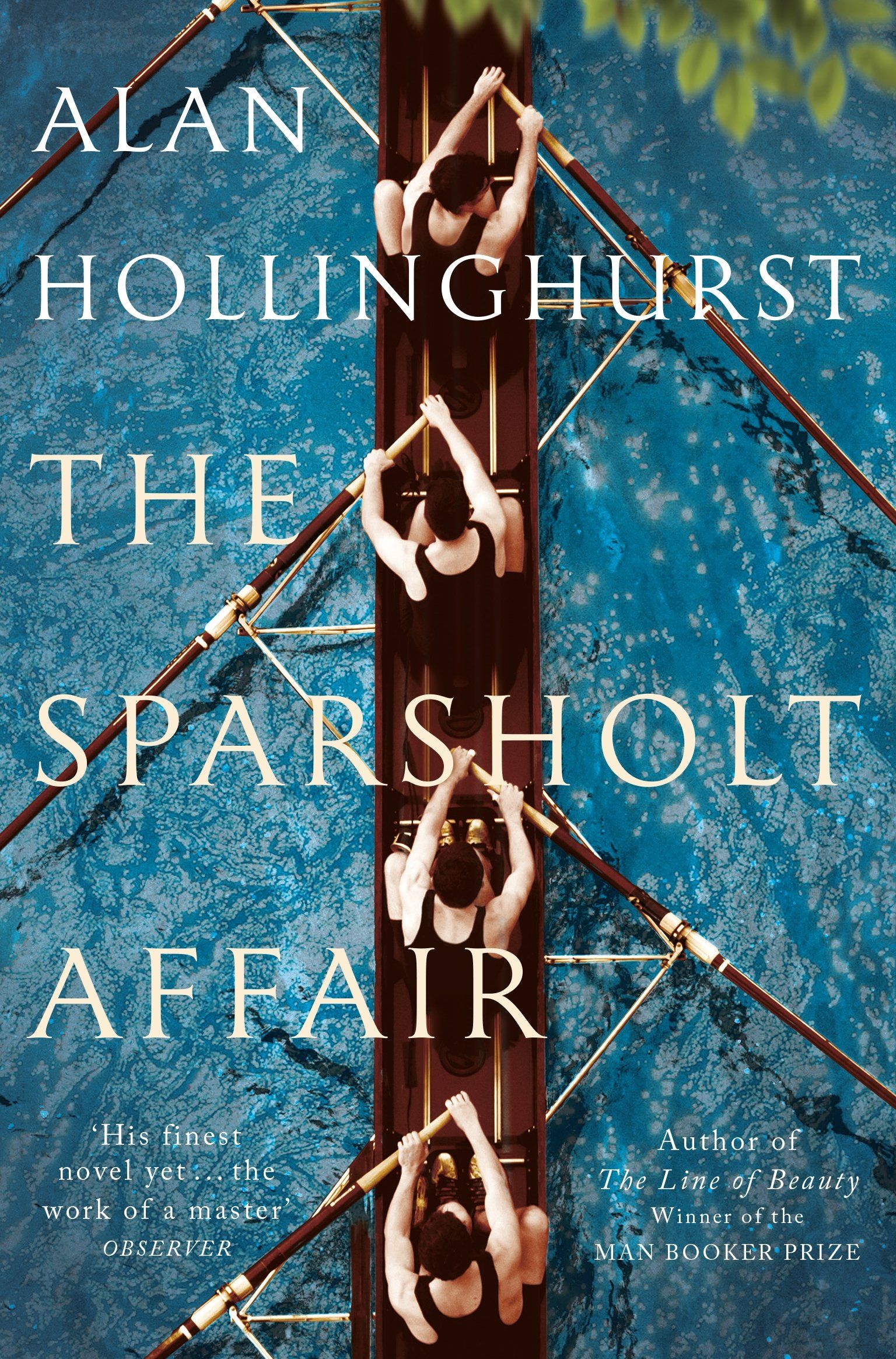
First of all, I read The Sparsholt Affair by Alan Hollinghurst. This is the kind of modern, literary fiction that I really like. His writing is very precise and observational, dealing with some very emotional issues in a very unsentimental way. This is the second novel by him I’ve read and I look forward to reading some more.

Next, I read a classic that I’ve had on my ‘to read’ list for a long time, The Riddle of the Sands by Erskine Childers. It seemed like an appropriate book to read while camping – though my experience of the great outdoors was rather tame compared to what the characters experience in this novel. There’s a lot of highly technical yachting and navigating references in this novel, which I know nothing about, so it mainly went over my head. But that was fine, as it turns out you don’t need to understand all that jargon to follow what is a cracking plot and thrilling adventure. I’m glad I got round to reading it finally.

After that, I read another from Sebastian Barry’s backlist that I have been working my way through. Annie Dunne is one of his earliest novels and has the family connections that link many of his novels. It’s beautifully written, but rather unsettling and disturbing, not at all a comfortable read. But that’s what Barry is so good at.

That was quite a short novel, so I had finished it before the end of the camping holiday. Luckily, I had picked up another book while we were there – a novel set in Dorset, bought in Dorchester while we were on holiday in Dorset. It’s called The Whalebone Theatre, a debut novel from an author called Joanna Quinn. The Dorchester branch of Waterstone’s were promoting it pretty heavily, and while I was looking at it in the shop, a bookseller came over to tell me how good it was. That was the kind of thing I used to do when I was a bookseller, so of course I had to buy it. And she was right, it is really good. It’s the story of a family, based around their Dorchester estate between the years 1919 and 1945, a mixture of the unusual and eccentric, along with the events that you would expect to happen to a family at that period of the Twentieth Century. I hope Quinn has other work like this to come – I shall watch out for them. I would also say that I think my own writing style and subject matter are quite similar to this, so it gives me hope that publishers are looking for the kind of work that I am producing.

This got me through the camping holiday, and after we got home, I sped through Matt Haig’s The Midnight Library. This novel is all about the eternal question what if? Imagine if you got to see how your life would have turned out if you had made different choices. Although this is really a fantasy novel, it offers some thought-provoking ideas. I think I’ll be recommending this book to the teenagers I work with, to get them thinking philosophically about their futures.

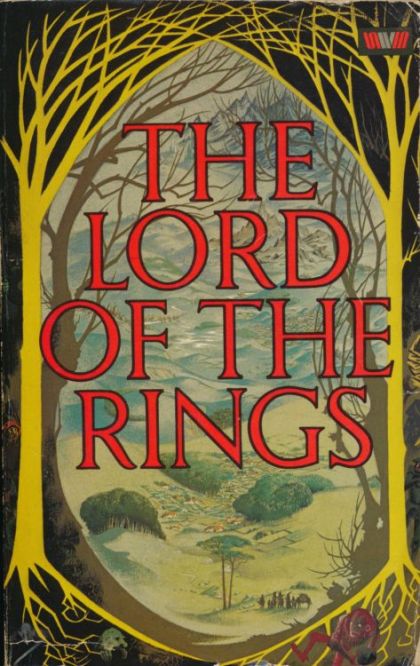
Five books that I never read before – that is a productive summer for me. It’s very satisfying to read new novels. However, I then put aside the new material and launched myself into a rereading of The Lord of the Rings. I have read it twice before.- once when I was a student, and then for the second time prior to the release of the Peter Jackson films. And then I watched all the films and loved them too. However, the film adaptations also made me realise that there had been chunks of the book that I read and really not understood, even after reading them two times. It was the films that finally explained some parts of the novel that had mystified me. And yet I had completely loved the books; I’m talking ugly crying at the end every time, so obviously, my failure to follow every detail had not been a hinderance to me. But it is one of the few times when I would recommend watching the films before reading the book. This would usually be heresy to me – the book is ALWAYS better than the film. However, on this occasion, I would say that The Lord of the Rings is so dense and complex, so packed with histories, geographies, lore and legend that it can get very confusing, and watching the films condenses all this into something much more manageable. But I still recommend reading the book, because like all books, the extra detail is so satisfying. And now I know what’s going on, I’m enjoying even more!

All this reading, and there has still been time for some work on my own fiction. In the last week, I have started rereading the first draft of the novel I finished earlier this year. I’ve been letting it sit for a few months, knowing that the considerable amount of revision it needs will be more objective after a complete break from it. However, now seemed like a good time to make a start, beginning with a complete read through, noting down my thoughts chapter by chapter. So far so good – but I’ll tell you more about that next time.

KDP

How to publish on KDP

It’s now been just over a month since the release of The Hawthorn Bride on Kindle, and I thought I’d write about the process of self-publishing on Kindle Direct Publishing – KDP.

It was back in 2015 when I first explored the possibilities of KDP and set up an account. I couldn’t believe how simple it was – upload a cover, upload a manuscript, write a blurb, set a price, and I could actually be a published author. OK, so it was only in e-book format, one of many million self-published novels available on Kindle. But it was a chance that I had never had before and I was keen to try it. After all, by this stage, I had three completed novels, and I was ready to share them with the world. I experimented by creating a cover and beginning the set-up process for my bookshop novel Have You Got that Book? even though I had no intention of ever releasing it. But it got me started, and I then spent another year editing and perfecting The Most Beloved Boy to be my first release in September 2016. I didn’t even have this website then and only publicised it to my friends and family on Facebook. It was soon followed by After the Rain. These novels were kindly bought by some of my friends and family and I enjoyed all the nice things they said about them. It felt good to be published, even on this miniscule scale. In 2017, I added No Such Cold Thing to the list and launched this website, complete with a Publications page, with links to my Amazon page. And later that year, I published Christmas Stories for Children as part of the promotion for my Advent Calendar stories.

Then came the BIG GAP. I had published everything* and needed some new material. However, 2017 was also the year I started training to be a Teaching Assistant, which took me into full-time employment doing that job in 2018. And it’s fair to say that in that time, I wasn’t writing. Not anything new, anyway. I was doing a lot of re-editing of my existing work, and I was looking for an idea that would finally settle down and become the next novel. As I have already written about, that took me until 2020, when the unexpected free time of Lockdown enabled me to get on with and finish The Hawthorn Bride. And then, because of other projects, it was another three years before it was ready for publication, finally adding a new title to my Publications page, the first new work for six years.

Since my first releases, the process has got even easier. There is now a thing called Kindle Create which makes it easier to create more professional manuscript. It takes care of the formatting and allows me to add author details at the back, along with links to my other works. I’m almost tempted to put my old novels through this process and upload them afresh. The uploading process is very simple but does come with its own nerve-wracking moments. First it scans for obvious mistakes – no matter how hard you try, there will be some mistakes. Then it takes up to 72 hours before it goes LIVE on Amazon, during which time you have to avoid finding any essential changes you want to make, because then you have to start the process again. Finally, an email is sent to let you know that your novel – your precious baby, nurtured and guarded so closely for so long – is now out in the world, standing on its own two feet, ready for anyone to see. Like a parent waving a child off to university (and I speak from experience, having been there and done that recently), it’s a moment of both great pride and total terror. Though of course, it means nothing if no-one actually reads it! That’s when you start hinting to your friends and family that they might like to read it – it would make great SUMMER READING. You can point out that it only costs £1 (ONE BRITISH POUND – what a bargain!) It helps to remind them that Kindle is available as FREE APP on most smartphones… 😊

So there it is, my obvious and blatant plug for The Hawthorn Bride. And any of my other novels, for that matter. I think they’re good. I was reading one of them last week and I was relieved to find that I still enjoy it. What else can I say? My mum gives me 5 stars!

Perfect summer reading… 5 stars!!!!

* When I said that in 2017, I had published everything, I wasn’t overlooking Have You Got that Book? By this time, I had already decided that I wasn’t going to publish it. The photo is a screenshot of its entry on my KDP account, when I was having a trial run of creating a book, but it never went any further than this. The manuscript was never uploaded and I still don’t have any plans to go back and give it the work it would need before that could ever happen. But who knows what might happen in the future.

The Hawthorn Bride

In the spring of 1994, I was a third-year student at a small, Welsh University, living in a hall of residence that looked out over hills and fields. From the kitchen window, I could see a particularly fine hawthorn bush. As spring progressed, I watched it bloom with such a mass of bright white flowers that the whole bush shone with a dazzling whiteness. I’d never noticed hawthorn before then and I thought it was the most beautiful thing I had ever seen. I was amazed that a plain, boring bush could change into a thing of radiance. The whiteness reminded me of a bridal gown, and in my mind, the bush was a plain, ordinary woman, transformed into a beautiful bride on her wedding day. Then, as the days passed, the white flowers gradually started to turn pink and rosy. The bride was now blushing, enjoying her wedding night.

The idea stuck with me. A couple of years later, when I was working in the bookshop, I used my day off to go for a walk in a nearby country park. As was my usual habit, I was carrying a notebook and pen. When I came across a bench in a quiet spot, I sat down and started to write. That story was The Hawthorn Bride. It was set in a small, rural village, in some bygone era when life was simpler; if a man wanted to marry a girl, all he had to do was ask her to dance with him at the May Ball, and the engagement was settled. The main character is a young man called John, who was determined to find himself a wife. Having had his heart broken once, he takes a chance on the plain, unlovable daughter of the blacksmith, and gives her the chance to blossom. And like the hawthorn bush that she is analogous with, she is called May.

I wrote quite a few pages that day back in 1996. It took me by surprise how the thing just came to life, sitting there on a bench, scribbling away. Maybe I was inspired by my surroundings – a lovely spring day and the gentle rural environment of Warwickshire rolling around me. It was certainly a change from the fantasy novel I was in the middle of writing. I didn’t think it was a complex enough idea to make a complete novel, but I had a plan to link it with two other stories to make it a work of three novellas, loosely linked around the theme of love – past, present and future. I never did finish the fantasy novel, abandoning it in favour of novels with historical, rural settings grounded in every day lives, exploring the characters through the nature of their relationships. Without planning it, I completely changed my writing style to suit my Hawthorn Bride idea. So, when I was looking for a new project after setting up this website and publishing my other novels on Kindle, it made perfect sense that I returned to that story, now as a stand-alone novel.

And yes, I have written about this before, because the futuristic story of the trilogy of novellas featured a killer pandemic, something that seemed eerily prescient when Covid-19 threw us all into lockdown. And while I chose not to write about pandemics, I did finish the first draft of The Hawthorn Bride during the subsequent lock-down. (Self-isolation – a good time to write a novel)

I had been working on The Hawthorn Bride for some time before lockdown. I had been making notes, developing back-story, and doing basic research into Victorian village life for a few years. I started writing out-of-sequence episodes and experimental chapters around 2018/19, but was finding it slow and hard to get into. I knew what I wanted the novel to be. Yes, it’s a love story, but I didn’t want it to be sentimental or romantic. I wanted it to be more about the psychology behind love and relationships. My main character John is a practical man who thinks that finding a wife is merely a practical matter, but he discovers how even that can lead to intimacy and commitment between two people. When we first meet May, we see her how everyone in the village sees her – dull and sour – but obviously, there is much more to her than that, as there is to everyone, and as John is to learn. It is a love story, but it’s not just about them meeting and falling in love, with a wedding for a happy ending. It’s as much about the life that comes after the wedding when relationships change and develop. However, this made it harder to write. I didn’t want anything sensational to happen, but I did worry for a while that this made it a bit boring. But in the end, I had faith in my characters and my ability to tell their story; it’s better to have a simple story written well than a thrilling idea badly executed. The extra time of lockdown was a bonus that helped it to all fall into place and I was really pleased with the result.

And since coming back to it for a final edit, I was pleased to find myself still feeling this way. It’s much shorter and simpler than either of my other adult novels, but that’s what makes it different and – dare I say it – worth reading. Because, obviously, that’s what I want. The years of work aren’t just for my pleasure, but to reach the end point of publication and sharing it with the world. It’s a nerve-wracking moment, deciding when it’s time to stop editing and make it available to read. In reality, the editing could go on forever, and as a writer, I will always see ways that I could keep on improving my work. But I am confident that it is now ready. I’ll even go as far as saying that I think it is good. I am sure of it. I enjoy reading it, and that gives me hope that other people will too. So, from that idea scribbled in a notebook on a lovely May morning in 1996, here is The Hawthorn Bride, available NOW, on Kindle, for the very reasonable price of £1! I would love you all to read it.

The Hawthorn Bride on Kindle

PS – Did you know, you don’t need an actual Kindle to read Kindle e-books? The Kindle App is easily available for most smart phones and is free!

PPS – There are bound to be some mistakes. I have read and reread the manuscript multiple times, but it’s just impossible to spot them all. I apologise in advance and just hope there aren’t too many.